Embarking on the Storia Pokémon Game Boy: A Journey Through Kanto and Johto
The world of Pokémon, for many, began with a simple choice between three small creatures on a monochrome screen. For others, the allure came later, perhaps through animated series, trading cards, or newer iterations of the game. Regardless of when you caught the Pokémon bug, the desire to experience the original adventures – the ones that launched a global phenomenon – remains strong. Yet, navigating the numerous releases, including remakes and enhanced versions, can be confusing. "Should I play Red and Blue, or FireRed and LeafGreen? What about Yellow?" These are common questions for aspiring trainers ready to dive into the rich *storia Pokémon Game Boy*.
This guide will illuminate the path, offering a comprehensive play order for the original Pokémon Game Boy and Game Boy Color titles. We'll clarify the role of remakes, provide insights into each generation, and help you choose the adventure that best suits your desired experience, honoring the very origins of this beloved franchise.
The Genesis of a Legend: Generation I on Game Boy
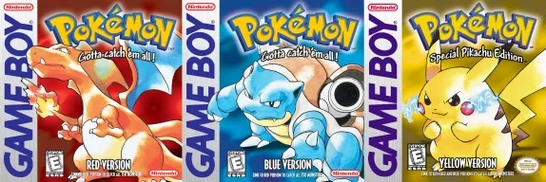
The tale, or *storia*, of Pokémon began in Japan on February 27, 1996, with the release of *Pokémon Red* and *Pokémon Green* for the Nintendo Game Boy. These initial entries, soon followed by *Pokémon Blue* in the West, transported players to the vibrant Kanto region, introducing them to the first 151 Pokémon. This groundbreaking title wasn't just a game; it was a social phenomenon, redefining handheld multiplayer gaming with its emphasis on trading and battling Pokémon between friends. It truly demonstrated
The Game Boy Impact: How Pokémon Defined a Generation.
Two years later, on September 12, 1998, *Pokémon Yellow: Special Pikachu Edition* arrived. Often considered the "director's cut" of Generation I, Yellow followed the anime's lead, making Pikachu your permanent starter and partner, refusing to stay in its Poké Ball. It featured updated sprites, minor plot adjustments, and a slightly more polished experience overall.
Which to play for Generation I?
*
For the purest, original experience: Play *Pokémon Red* or *Blue*. These are the foundational games, showcasing the series as it first appeared. They offer a unique, challenging experience with less hand-holding.
*
For the enhanced original experience: Play *Pokémon Yellow*. If you want a slightly refined version of the Kanto adventure with an iconic twist (your faithful Pikachu), Yellow is an excellent choice. It’s often considered the definitive Gen I game for many fans.
What about *FireRed* and *LeafGreen*?
Released on January 28, 2004, *Pokémon FireRed* and *LeafGreen* are fantastic remakes of Red and Blue, but it's crucial to understand they were developed for the Game Boy Advance. While they offer a significantly updated experience with modern graphics, improved mechanics (like the Physical/Special split in attacks, more balanced Pokémon stats), and additional post-game content, they are *not* the original Game Boy games. If your goal is to experience the *storia Pokémon Game Boy* on its native hardware and truly grasp the series' origins, stick to Red, Blue, or Yellow. If you're looking for the Kanto story with modern conveniences and don't mind stepping off the original Game Boy platform, these GBA titles are a superb alternative.
Expanding the Universe: Generation II on Game Boy Color
The success of Generation I paved the way for an ambitious sequel. On November 21, 1999, *Pokémon Gold* and *Pokémon Silver* landed on the Game Boy Color, pushing the handheld's capabilities to their limits. These games introduced the new Johto region, 100 new Pokémon, a real-time internal clock with a day/night cycle, Pokémon breeding, and perhaps most famously, the ability to return to the Kanto region from the first games, effectively giving players two regions to explore. This was a monumental leap forward, deepening the lore and mechanics of the Pokémon world.
Following Gold and Silver, *Pokémon Crystal* was released on December 14, 2000. Much like Yellow improved upon Red and Blue, Crystal refined Gold and Silver. It was the first Pokémon game to allow players to choose their character's gender, featured animated Pokémon sprites, introduced the Battle Tower, and provided an expanded storyline focusing on the legendary Pokémon Suicune.
Which to play for Generation II?
*
For the core, original experience: Play *Pokémon Gold* or *Silver*. These games laid the groundwork for many features that would become series staples and offer an incredible journey through Johto and Kanto.
*
For the ultimate original experience: Play *Pokémon Crystal*. With its quality-of-life improvements, animated sprites, and expanded story elements, Crystal is widely regarded as the definitive way to experience Generation II on the Game Boy Color. It perfectly encapsulates the
Pokemon Game Boy Story: From Red & Blue to Crystal.
What about *HeartGold* and *SoulSilver*?
Much like FireRed and LeafGreen, *Pokémon HeartGold* and *SoulSilver* (released September 12, 2009) are magnificent remakes of Gold and Silver, but for the Nintendo DS. They represent a significant graphical and mechanical overhaul, introducing features from later generations while retaining the core narrative and dual-region exploration. Again, if you want the original Game Boy Color experience, stick to Gold, Silver, or Crystal. If you're open to playing on a newer console for a modern take on the Johto adventure, these DS remakes are exceptional.
Your Ultimate Play Order for the Storia Pokémon Game Boy
Deciding on a play order truly depends on your priorities: do you crave absolute authenticity, or do you prefer a more refined, accessible journey through Pokémon's early history? Here are a few recommended paths to guide your *storia Pokémon Game Boy* adventure:
Option 1: The Purist's Path (Strictly Original Game Boy/Color)
This path offers the most authentic historical journey, experiencing the games as they were originally released on their native hardware.
- Pokémon Yellow (Game Boy): Dive into Kanto with your loyal Pikachu. It's the most polished version of the original Generation I experience.
- Pokémon Crystal (Game Boy Color): Continue your adventure into Johto and beyond with the definitive version of Generation II, featuring gender choice and animated sprites.
Why this order? You're getting the most complete and refined version of each original Game Boy generation without stepping into remake territory.
Option 2: The Modern Retrospective (Remakes for Quality of Life)
If you prioritize modern graphics, quality-of-life improvements, and don't mind playing on newer Nintendo hardware, this is your route.
- Pokémon FireRed or LeafGreen (Game Boy Advance): Experience Kanto with significantly updated visuals and mechanics. Choose one based on version exclusive Pokémon.
- Pokémon HeartGold or SoulSilver (Nintendo DS): Journey through Johto and Kanto again, this time with beautiful 3D graphics, Pokémon following you, and a host of modern features.
Why this order? You get the same core stories and regions but presented with contemporary gaming standards, making them more accessible for players unfamiliar with older game mechanics.
Option 3: The Hybrid Approach (Original Feel, Modern Comfort)
This option combines the charm of an original Game Boy title with the enhancements of a later-generation remake for the subsequent region.
- Pokémon Yellow (Game Boy): Start with the classic Kanto adventure to get a true sense of where it all began.
- Pokémon HeartGold or SoulSilver (Nintendo DS): Transition to the critically acclaimed DS remakes for your Johto adventure, benefiting from modern conveniences while still experiencing the original story.
Why this order? It offers a taste of the raw, original experience in Generation I, then smoothly transitions to a modern, feature-rich remake for Generation II, which is often considered the pinnacle of the series' early evolution.
Remember, playing these original titles might require emulation on modern devices, or finding old Game Boy/Color consoles and cartridges. Whichever path you choose, the journey through the *storia Pokémon Game Boy* is a rich and rewarding one.
Conclusion
The decision of where to begin your Pokémon adventure through the original Game Boy games is a personal one, but hopefully, this guide has demystified the choices available. Whether you opt for the pixelated purity of *Red* and *Blue*, the enhanced charm of *Yellow* and *Crystal*, or the polished brilliance of their modern remakes, you're embarking on a journey that shaped an entire generation of gamers. Each game tells a crucial part of the *storia Pokémon Game Boy*, a narrative of innovation, friendship, and the enduring thrill of catching 'em all. So grab your virtual (or actual) Game Boy, choose your starter, and dive into the timeless world that captured millions of hearts around the globe.