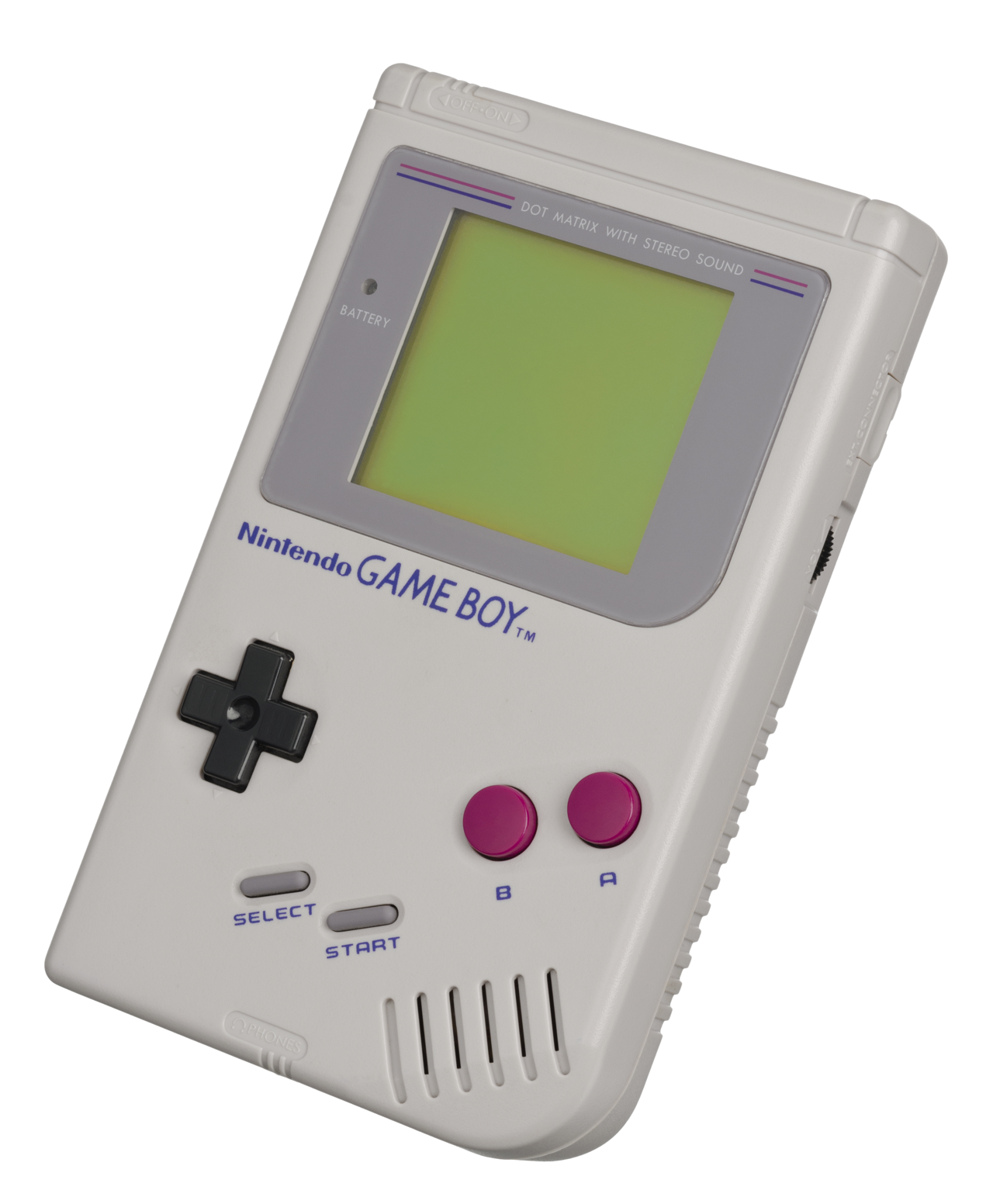
The Game Boy Impact: How Pokémon Defined a Generation
Few video game franchises can claim to have etched themselves into the cultural fabric as deeply as Pokémon. What began as a humble pair of role-playing games for Nintendo's monochrome handheld would explode into a global phenomenon, defining a generation of players and forever altering the landscape of interactive entertainment. The story of Pokémon's rise is inextricably linked with the Game Boy, creating a legendary synergy that captivated millions. To truly understand its profound legacy, we must journey back to where it all began, exploring the rich storia pokemon game boy that shaped countless childhoods and pioneered new ways to play.
The Dawn of a Phenomenon: Pokémon Red & Green on Game Boy
The world first met Pokémon on February 27, 1996, with the Japanese release of Pokémon Red Version and Pokémon Green Version for the original Nintendo Game Boy. Developed by Game Freak and published by Nintendo, these seemingly simple titles introduced players to the vibrant Kanto region, a sprawling land filled with 151 unique creatures known as Pokémon. The core loop was instantly addictive: players embarked on a quest to become a Pokémon Master, catching every available Pokémon, training them, and battling against other trainers and Gym Leaders.
But Pokémon's genius extended far beyond its captivating single-player adventure. What truly set it apart and revolutionized handheld gaming was its ingenious integration of multiplayer interaction. The humble Game Boy Link Cable became a conduit for social connection, allowing friends to trade their Pokémon and battle each other head-to-head. This seemingly minor feature was, in fact, a game-changer. It fostered a sense of community, encouraging players to interact, strategize, and complete their Pokédex by exchanging version-exclusive Pokémon. This innovative blend of collection, training, and direct player interaction wasn't just fun; it defined a new era for portable gaming and forged a shared experience that resonated deeply with an entire generation.
Expanding the Kanto Experience: Yellow, Gold, and Silver
Following the monumental success of Red and Blue (the Western releases of Red and Green), the franchise continued to evolve on the Game Boy platform. September 12, 1998, saw the release of Pokémon Yellow Version: Special Pikachu Edition. This iteration was more than just a minor update; it offered a fresh take on the Kanto adventure, drawing inspiration from the hugely popular Pokémon anime series. Players began with an unevolvable Pikachu as their starter, who followed them around on screen, reacting to their actions—a charming detail that further endeared the game to its audience. Yellow polished many aspects of the original games, providing an enhanced, more vibrant experience while retaining the core magic.
The true evolution of the Game Boy Pokémon experience arrived on November 21, 1999, with Pokémon Gold Version and Pokémon Silver Version. These titles pushed the Game Boy Color's capabilities to their limits, introducing players to the entirely new Johto region and an additional 100 Pokémon, bringing the total to 251. Gold and Silver were groundbreaking, featuring a real-time internal clock that influenced in-game events like day/night cycles and specific Pokémon appearances. They also introduced Pokémon breeding, shiny Pokémon, and two new types (Dark and Steel), significantly deepening the strategic gameplay. Perhaps most impressively, after conquering the Johto League, players could journey back to the original Kanto region, offering a vast, unprecedented amount of content for a handheld game. The definitive Gen 2 experience, Pokémon Crystal Version (December 14, 2000), further refined these mechanics, adding animated sprites, the Battle Tower, and for the first time, the option to play as a female protagonist. These games cemented the franchise's staying power and significantly expanded the Pokemon Game Boy Story: From Red & Blue to Crystal.
Navigating the Eras: Remakes and Modern Play
For many, the question isn't just about the history, but how to experience the magic today. The Pokémon franchise has a tradition of remaking its earlier titles, offering modernized versions for new generations of players and nostalgic veterans alike. This brings us to a common dilemma for those looking to dive into the storia pokemon game boy: should one play the original Pokémon Red and Blue, or their Game Boy Advance remakes, FireRed and LeafGreen?
Released on January 28, 2004, Pokémon FireRed Version and LeafGreen Version for the Game Boy Advance reimagined the Kanto adventure with updated graphics, improved mechanics, and connectivity to later Generation III games. While the core narrative and Pokémon remained the same, these remakes offered significant quality-of-life improvements that make them a compelling choice for many. If you're a purist seeking the authentic, retro experience, the originals offer a unique charm and challenge. However, for those accustomed to modern conveniences and graphical fidelity, FireRed and LeafGreen provide an excellent, accessible entry point into the Kanto region without losing the essence of the original adventure.
Subsequent generations have also seen beloved Game Boy and Game Boy Color titles receive the remake treatment, such as HeartGold and SoulSilver (remakes of Gold and Silver for the Nintendo DS) and even more recent titles like Brilliant Diamond and Shining Pearl on the Nintendo Switch. For newcomers or those looking to revisit the classics without repeating themselves, a thoughtful play order is key. Generally, playing the remakes (FireRed/LeafGreen, HeartGold/SoulSilver) is recommended over the originals for their enhanced features, but the originals hold a special place for their historical significance and unique retro appeal. For a detailed roadmap on which versions to play, consider consulting an Original Pokemon Game Boy Games: A Play Order Guide.
The Enduring Legacy of Game Boy Pokémon
The influence of Pokémon on the Game Boy transcends mere sales figures, though those were astronomical. It laid the foundational blueprint for a multi-billion dollar franchise that now encompasses anime, movies, trading card games, toys, and countless video game iterations across every Nintendo platform. The core mechanics established in Red and Green—catching, training, battling, and trading—remain the heart of every mainline Pokémon game released since. The Game Boy era proved that deeply engaging, expansive RPG experiences were not only possible on a handheld device but could thrive on them.
Moreover, Pokémon fostered a unique social dynamic in gaming. The Link Cable, initially a simple peripheral, became an essential tool for completing the Pokédex and testing one's skills against friends. This emphasis on interaction and community building was groundbreaking and set a precedent for cooperative and competitive play that many games today strive to emulate. The excitement of discovering a rare Pokémon, the thrill of a hard-fought battle, and the joy of completing a trade to finally "catch 'em all" are experiences woven into the collective memory of a generation.
Conclusion
From its humble beginnings on the Game Boy, Pokémon emerged as a cultural juggernaut, forever changing the landscape of video games and popular culture. The ingenuity of its design, the depth of its world, and its emphasis on social interaction through trading and battling created an unparalleled experience that captured the hearts and imaginations of millions. The comprehensive storia pokemon game boy is not merely a tale of popular games; it's a testament to how a small, pixelated adventure could define a generation, inspire countless imitations, and establish a legacy that continues to resonate with players of all ages, proving that true impact often begins with the simplest of ideas on the smallest of screens.